
You’ve booked a cherry picker rental, the job is on the calendar, and everything feels like it’s moving in the right direction. Then the truck pulls up and something’s off — wrong platform size, missing permits, soft ground nobody accounted for, or an operator who can’t legally touch the controls. Now your whole day (and possibly your job schedule) is unraveling before the first lift happens.
This is more common than most contractors want to admit. A cherry picker — whether it’s a boom lift, a telescoping aerial work platform, or a truck-mounted unit — is a powerful piece of equipment that comes with real logistical demands. Getting it right means doing your homework before delivery day, not during it.
Here are nine things you need to confirm ahead of time, every single time you rent a cherry picker for a job.
1. Know Exactly What You’re Renting (They’re Not All the Same)
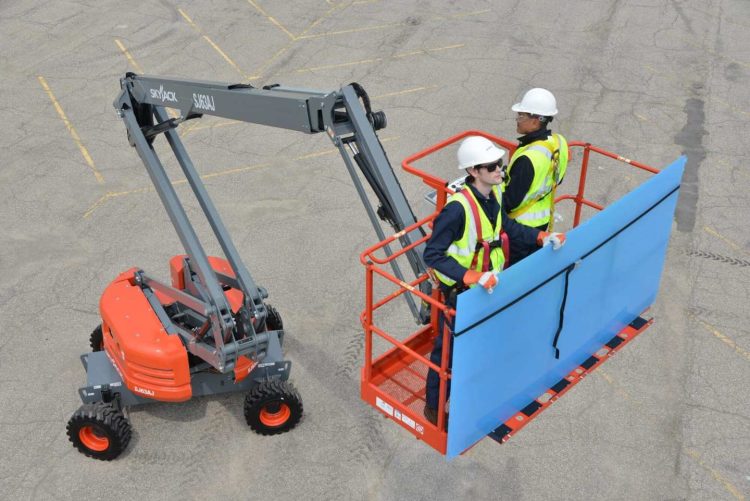
The term “cherry picker” gets used loosely to describe a whole family of aerial work platforms, and the differences between them matter enormously for your job. A telescoping boom lift reaches straight out and up, making it the right call for working over obstacles or reaching awkward angles. An articulating boom lift — sometimes called a knuckle boom — gives you more flexibility around obstructions. A truck-mounted aerial lift is self-propelled on a vehicle chassis, which is great for road and utility work but requires different access planning than a stand-alone machine on outriggers.
Before you confirm your cherry picker hire, be specific about what the job actually requires: the height you need to reach, the horizontal outreach required, and whether the platform needs to maneuver around anything on the way up. If you tell a rental company “I need a boom lift” without those specifics, you might get something technically correct but practically wrong for your situation.
2. Confirm the Working Height vs. the Platform Height
This is the detail that trips people up constantly. When rental companies advertise cherry picker heights, they’re usually citing the maximum working height — which is calculated by adding approximately 6 feet (standing reach) to the platform height. A machine listed as reaching 60 feet of working height might have a platform height of around 54 feet.
If your job requires your tools or hands to reach a specific height, calculate from platform height, not working height. Miscalculating by even a few feet can mean the right equipment does the wrong job. Confirm the actual platform height with your rental company and measure your job requirements accordingly.
3. Assess Your Ground Conditions Before Anyone Unloads Anything
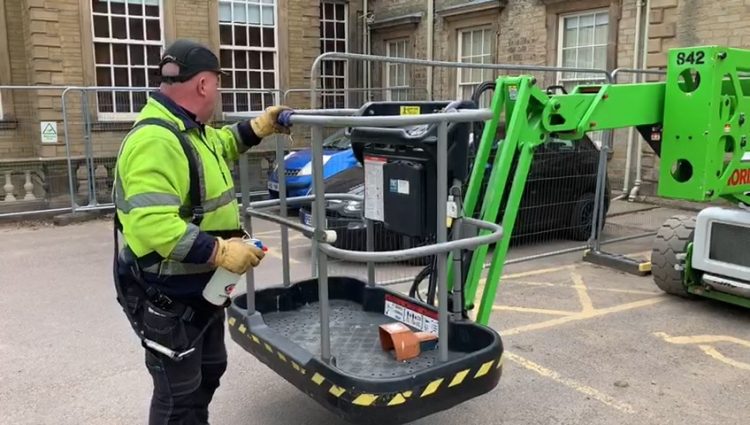
Aerial work platform accidents don’t usually happen in the air — they start on the ground. Soft soil, uneven surfaces, underground utilities, drainage layers, and hidden voids are all legitimate hazards that can turn a stable machine into a tip-over risk once outriggers are deployed and a load is lifted.
Before your cherry picker rental arrives, walk the entire setup area. Flag anything that looks soft, recently disturbed, or uneven. If there’s any doubt about load-bearing capacity — especially on unpaved surfaces, near trenches, or close to building foundations — get a ground bearing assessment done first. Many contractors skip this step and get lucky most of the time. The ones who don’t skip it never have a story to tell about the time things went sideways.
Also account for grades and slopes. Most aerial lifts have strict limits on the degree of incline they can safely operate on. Check the machine’s specs against your actual site conditions, not your best estimate of them.
4. Verify Operator Certification — Every Time, No Exceptions
OSHA requires that operators of aerial work platforms be trained and authorized to use the specific type of equipment they’re operating. A certification for a scissor lift doesn’t automatically cover a boom lift. A general equipment certification doesn’t substitute for type-specific aerial lift training.
If you’re bringing your own operators, confirm their certification covers the exact type of cherry picker being delivered. If the rental includes an operator, confirm their credentials in writing before the job. Verbal assurances aren’t enough here — you want documentation, and you want it before the truck arrives, not while the crew is standing around waiting to start.
Beyond paperwork, a qualified operator should also be comfortable performing a pre-use inspection before every shift. If someone can’t walk you through what they’re checking on the machine before climbing in the basket, that’s a problem regardless of what their certification card says.
5. Understand the Permits and Street Closure Requirements
If your cherry picker rental involves positioning equipment near public roads, sidewalks, or over any right-of-way, you’ll likely need permits — and in some cases, a formal traffic control plan and street closure coordination. Many contractors underestimate how involved this process can be and assume it’s someone else’s problem.
It isn’t. Permit delays can ground a job for days. Missing traffic control can expose you to liability and fines. In Pittsburgh and across Pennsylvania, requirements vary by municipality, project scope, and whether you’re working near utilities or public infrastructure.
A crane and aerial lift rental company that knows the territory — one that handles permit logistics and coordinates street closures as part of their service — is worth its weight in gold when you’re under schedule pressure. Confirm what your rental company handles versus what falls on you, and get that sorted out at least a week before your job date.
6. Check Overhead Clearances and Obstacle Mapping
Before any boom goes up, someone needs to have a clear picture of what’s in the air above and around the work zone. Power lines are the most critical concern — OSHA mandates minimum clearance distances from energized lines, and those distances are non-negotiable. But overhead hazards also include tree branches, building overhangs, telecommunications cables, and any other obstruction that sits in the machine’s working envelope.
On the ground side, map out where the truck will travel to its setup position. Gate widths, overhead entrances, low-clearance structures, and soft landscaped areas all need to be accounted for before the truck shows up. A machine that can’t get to its setup position because of a fence or a narrow drive is a problem that should have been caught on a site visit, not on delivery morning.
If you’re unsure about power line clearances, contact your local utility before the job. Many utilities will de-energize lines or provide a spotter at no charge or low cost when given adequate notice — far cheaper than the alternative.
7. Clarify the Load Capacity — Platform Rating vs. Actual Job Load
Every aerial work platform has a rated platform capacity, and exceeding it is both a safety violation and an equipment liability issue. The capacity rating covers the combined weight of everyone in the basket, all tools, materials, and any equipment being carried up. This is where people get into trouble — they know the machine’s capacity number but forget to actually add up what’s going in the basket.
Two workers at 200 lbs each, plus tools and materials, can easily push past a 500 lb capacity. If you’re planning to carry materials up in the platform rather than rigging them separately, calculate the actual load before the job, not after you’re already 40 feet in the air wondering why the machine is beeping at you.
For jobs where you need to lift materials to elevation alongside personnel, discuss the requirements with your rental company upfront. There may be a better equipment configuration for the specific combination of tasks you’re trying to accomplish.
8. Nail Down the Rental Period, Standby Time, and Delays Policy
Aerial lift and cherry picker rental agreements typically charge by the hour or day, but what happens when your job runs long? What’s the policy if weather grounds the work mid-day? What if a permit delay pushes the start time by three hours and the machine is sitting on your site doing nothing?
These aren’t edge cases — they happen constantly on real jobs. Before you sign anything, read the rental agreement’s position on standby time (when the machine is on site but not operating), overtime charges, and weather-related delays. Some companies charge full rate for standby. Others have grace periods. A few build flexible arrangements for customers with legitimate delays.
Also confirm the equipment delivery and pickup windows. If the truck shows up two hours early and you’re not ready, that may still clock against your rental time. If the job runs past the scheduled pickup, you want to know in advance whether that triggers a penalty or just a standard overtime rate.
9. Have a Point Person On-Site From Start to Finish
This last one sounds obvious, but it’s consistently where jobs fall apart. When a cherry picker rental arrives on site, someone needs to be there who has the authority to direct setup, has reviewed the pre-job checklist, knows where the equipment is going, and can make decisions if something unexpected comes up.
That person should have already walked the site, reviewed the permit status, confirmed operator credentials, and communicated the job scope to the rental company. They should be reachable during the entire lift and not pulled away to manage a separate part of the project while an aerial work platform is in the air.
Cherry picker jobs that go smoothly almost always have a single accountable point of contact managing the day. Jobs that go sideways often don’t have one, or the person who should be in that role didn’t get briefed before the truck showed up.
A Few Quick Things That Often Get Overlooked
Beyond the nine items above, there are a handful of smaller details worth a quick mention because they come up regularly on job sites and cause disproportionate delays.
Fueling and power source: Confirm whether the unit is diesel, gas, electric, or hybrid, and make sure you have the right fueling setup on site if it’s your responsibility to provide it. Indoor jobs almost always require electric or propane machines due to emissions restrictions — confirm this early.
Fall protection requirements: Workers in aerial work platform baskets are generally required to wear a full-body harness and lanyard attached to the designated anchor point within the basket. This is a separate requirement from the machine’s guardrail system. Make sure your crew has the right personal protective equipment before the job starts.
Emergency lowering procedures: Before anyone goes up, the operator and at least one ground crew member should know how to perform an emergency lowering of the platform in the event of a mechanical failure or medical emergency. This is a basic competency that should be covered in the pre-job briefing, not improvised under pressure.
The Bottom Line on Cherry Picker Rentals
Renting a boom lift or aerial work platform isn’t complicated once you know what to look for, but it does require deliberate preparation before the truck arrives. The nine items in this checklist — equipment type, platform height, ground conditions, operator certification, permits, overhead clearances, load capacity, rental terms, and on-site coordination — cover the vast majority of problems that derail aerial lift jobs before they really get started.
Most of these are simple conversations to have with your rental company at the time of booking. A good rental partner will expect these questions and have clear answers ready. If they don’t, that’s useful information too.
Ready to get your lift scheduled the right way? Explore our crane and aerial equipment rental services to see how Priority Crane Rentals handles everything from equipment selection and permit coordination to operator support across Pittsburgh and surrounding areas — or call us at (877) 856-9686 to talk through your job with someone who’s managed lifts like yours before.
